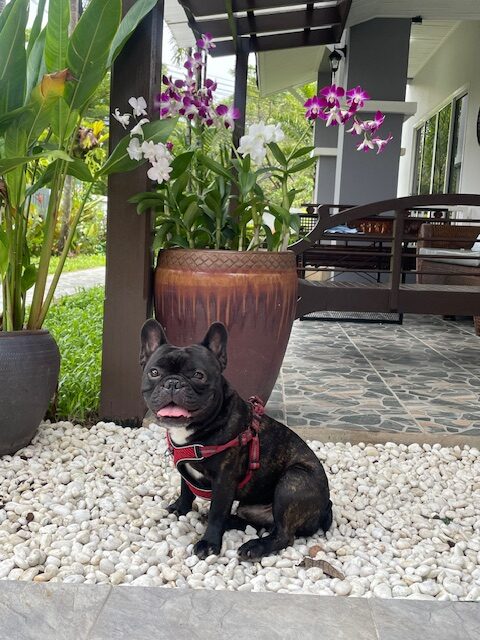

Breeds such as:
-
French Bulldogs
-
Pugs
-
Boston Terriers
-
English Bulldogs
-
Shih Tzus
are considered brachycephalic, meaning they have short noses and compact airways. This makes them more sensitive to:
-
heat
-
humidity
-
stress
-
air pressure changes
-
prolonged confinement
Because of this, many airlines have strict breed-specific rules — some will not transport brachycephalic dogs at all, while others allow them only under certain temperature and safety conditions.
This does not mean your dog can’t travel. It just means extra planning is required.
Using a Professional Relocation Company: Our Experience With PetRelocation
One of the best decisions we made was hiring PetRelocation to assist with Loki’s export and import process. They handled the complexities of international pet travel that most owners don’t realize exist until it’s too late.
PetRelocation helped us with:
-
identifying airlines that actually transport brachycephalic dogs
-
securing a flight route with safe temperatures at every stop
-
preparing all export and import paperwork
-
communicating with vets involved in the process
-
ensuring Loki met every requirement for each airport
-
coordinating his layover care
For us, this expert guidance removed an enormous amount of stress — and ensured Loki traveled safely according to stricter breed standards.
How Loki Traveled: Cargo, Safe Temperatures, and a Doggy Hotel Layover
Because he is a French Bulldog, Loki could not fly in-cabin. He was approved for cargo travel only with an airline that accepts brachycephalic dogs under controlled conditions.
PetRelocation helped arrange:
-
a flight path with climate-controlled cargo
-
temperature checks at all departure, layover, and arrival airports
-
proper paperwork and inspection
-
a supervised stay at a dog hotel in Istanbul, Turkey during his layover
This ensured Loki was safe, monitored, and comfortable for the entire journey.
He arrived healthy, happy, and only mildly confused about the time zone — but otherwise himself completely. The process was long and detailed, but entirely worth it.
Step-by-Step Requirements for Moving a Dog Internationally
Every country has its own regulations, but these are the universal steps all pet owners must follow.
1. Microchip Your Dog (ISO Standard 11784/11785)
Most countries require your dog to have an internationally readable microchip before any vaccines or certificates.
If the microchip comes AFTER vaccines, some countries will not accept them.
2. Ensure All Vaccines Are Current — Especially Rabies
Typically required:
-
Rabies vaccine (must be 21–30 days old before travel)
-
Annual core vaccines (DHPP/DA2PP)
-
Sometimes leptospirosis
For many countries, rabies titers are NOT required unless traveling from high-risk regions — but always verify.
3. Work with a Veterinarian Who Has International Travel Experience
This is critical.
Your vet should understand:
-
export paperwork
-
international health certificates
-
USDA/APHIS endorsements (for U.S.-based travelers)
-
timing of vaccines and documentation
-
breed-specific flight considerations
A general vet may not be experienced enough for international procedures.
4. Prepare Airline-Approved Travel Crates
Your crate must:
-
meet IATA (International Air Transport Association) standards
-
be hard-sided
-
be large enough for your dog to stand, turn, and lie naturally
-
include food & water containers
-
be labeled properly
Airline-Approved Pet Crate Here
For French Bulldogs, crate comfort is extremely important because of their breathing needs. I know this is a pricey crate but this was highly recommended by the PetRelocation team. Make sure you measure your pet to get the right size crate for their needs. I also lined the bottom with puppy pads and a blanket from home, so he could have some comfort on the long journey.
5. Secure an Airline That Accepts Brachycephalic Breeds
This can be the hardest step without a relocation company.
Airlines often:
-
restrict snub-nosed dogs due to heat stress risk
-
restrict them during summer months
-
require temperature-controlled cargo only
-
require specific aircraft types
-
limit certain connection cities
PetRelocation handled this for us, and it was worth every penny.
6. Confirm Climate Restrictions
For brachycephalic breeds, flights are often only allowed when:
-
temperatures are under certain limits at all airports
-
flights occur during cooler times of day
-
layovers are protected climates (like Istanbul’s pet hotel)
Dogs like Loki should NOT fly in extreme heat or humidity.
7. Complete All Import/Export Paperwork
This typically includes:
-
international health certificate
-
rabies certificate
-
microchip documentation
-
import permit (if required by country)
-
customs forms
-
airway bill
-
additional country-specific forms
PetRelocation prepared and submitted all documents on our behalf.
8. Prepare Your Dog for Travel
Crate Training
Begin early — let your dog associate the crate with comfort.
Practice Car Rides
Helps reduce travel anxiety.
Avoid Sedation
Most airlines DO NOT allow sedation in dogs due to respiratory risks — especially brachycephalic dogs.
Keep a Calm Routine
Your dog will feel your stress.
What to Expect on Travel Day
-
Early check-in
-
Vet clearance and temperature checks
-
Cargo placement
-
Monitoring (if available)
-
Layover procedures (hotel or pet holding facility)
-
Customs clearance on arrival
Most dogs handle the journey better than owners expect — especially confident, well-trained dogs like Loki.
Arrival Experience: Loki’s Story
When Loki arrived after his long journey, he was:
-
alert
-
curious
-
surprisingly calm
-
ready for water, cuddles, and a walk
He adjusted quickly to Thailand’s climate with gradual exposure, cooling tools, and avoiding midday heat.
Seeing him arrive safe made every minute of preparation worth it.
Common Mistakes to Avoid
-
Booking flights without checking heat restrictions
-
Using the wrong crate size
-
Not microchipping early enough
-
Vaccines not aligned with travel dates
-
Trying to coordinate everything without professional help
-
Flying during peak heat seasons
-
Choosing budget airlines that don’t handle pets well
These mistakes can delay or even prevent travel — especially for French Bulldogs.
Final Thoughts: Yes, You Can Move Abroad With a French Bulldog
It requires planning, patience, and professional help, but relocating with a brachycephalic dog is absolutely possible.
For our family, moving Loki internationally wasn’t optional — he is our family. With the right airline, the right crate, proper paperwork, and the support of PetRelocation, he made the journey safely and happily.
If you’re planning to move abroad with a French Bulldog or another snub-nosed breed, preparation is everything. Start early, work with experienced professionals, and don’t take shortcuts when it comes to their safety.
More guides are coming soon on:
-
Moving pets to Thailand
-
Preparing for hot-weather climates
-
Airline comparisons for brachycephalic breeds
-
How to crate train for long-haul flights
-
Family travel abroad with pets
Link to the Doggy Lounge on Turkish Airlines: https://www.instagram.com/reel/DMkb3bERqh3/?igsh=NTRlbDNldmlxZTVm